Old Cowboy Bold: A Real-World Embroidery Review
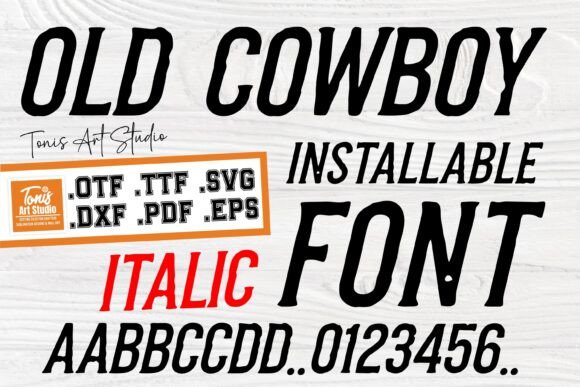
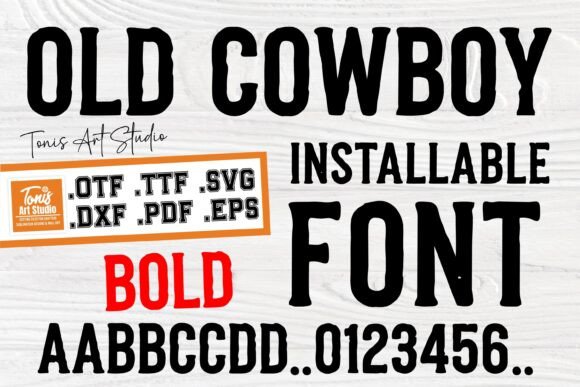
When I first opened the Old Cowboy Bold file, I didn't just see a font; I saw a mood. As a designer who spends hours troubleshooting stitch density and balancing thread colors on various fabrics, my first impression is usually about potential pitfalls. But with this typeface, seeped in Western allure, I immediately thought of rugged textures, vintage signage, and the kind of bold statements that demand attention. It has been engineered for intensity, leaving an impact that feels authentic rather than forced. This isn't just another decorative script or a generic sans-serif; it is a Display font designed to carry weight, making it perfect for anyone looking to invoke the robust spirit of the Wild West directly into their creative endeavors.
First Impressions: The Visual Personality of Old Cowboy Bold
The shape of these letters tells a story before a single stitch is laid down. There is a raw, unpolished energy to the character set that suggests hand-painted signs from an old saloon or the lettering on a weathered saddle blanket. For the craft business owner or Etsy seller, this distinction matters. In a sea of delicate florals and modern minimalism, Old Cowboy Bold offers a distinct visual identity. It creates a sense of nostalgia and durability that resonates with customers looking for handmade goods with character.
The layout feels sturdy, which is crucial for embroidery. Unlike thinner fonts that can disappear under heavy stitching or get lost on textured fabrics, this design has enough mass to stand up against the physical nature of thread. When I imagine placing this on a finished product, it commands respect. It suggests that the item inside is built to last, whether it is a custom apron for a barbecue pitmaster or a personalized gift for a ranch enthusiast.
Putting It to Work: Real-Life Embroidery Scenarios
I recently had the opportunity to test this design for a client project involving custom apparel for a local rodeo team. We were preparing embroidered patches and sweatshirt embroidery for the event staff. The challenge was to ensure the text remained legible while capturing the gritty aesthetic of the sport. Old Cowboy Bold proved to be an excellent choice here.
On the sweatshirts, the thick strokes held up beautifully against the fleece texture. The fill stitch areas provided a solid foundation that prevented the fabric from showing through, creating a professional finish that elevated the perceived value of the garment. Similarly, when we moved to a canvas tote bag design for merchandise sales, the font's width allowed for a large, impactful logo that looked great even on smaller bags. The contrast between the thread and the dark fabric was sharp, ensuring that the message was clear from a distance.
This versatility extends beyond just apparel. I can easily see this working for holiday embroidery projects, such as monogrammed stockings or kitchen towels for a rustic-themed home decor line. The font's personality fits perfectly with fall and winter themes, evoking feelings of warmth, hearth, and tradition. For digital product sellers, using this in printable mockups can instantly transform a generic template into a cohesive brand asset that screams "Western boutique."
Where to Exercise Caution: Technical Limitations
While Old Cowboy Bold is a powerhouse for many applications, every experienced embroiderer knows that no design is universally perfect. There are specific scenarios where this typeface requires careful consideration. One major factor is the hoop size. Because the letters are bold and blocky, they may not scale down well without losing their distinctive character. If you attempt to use this for tiny lettering on baby clothes or small accessories like hair bows, the details might become muddled or the spacing could look cramped.
Another area to watch is the fabric texture. On highly textured materials like chunky wool or bouclé, the satin stitch definition can sometimes get lost. While the boldness helps, the uneven surface might interfere with the smooth flow of the thread. Additionally, if you are working on stretchy fabrics like jersey knits, you must ensure your stabilizer is robust enough to handle the tension of the dense fill stitches. Without proper support, the bold lines could pucker, ruining the clean look of the design.
Dense stitch areas are also a consideration. If you plan to layer multiple colors or add intricate decorative accents around the text, you need to be mindful of the total stitch count. Too much density in one spot can make the fabric stiff and uncomfortable to wear. Always check the stitch density settings in your digitizing software before running the machine. If the design includes detailed corners, test them on scrap fabric first to ensure they don't tear or fray during the trimming process.
Impact on Brand Value and Customer Trust
In the world of handmade products, presentation is everything. Using a high-quality embroidery file like Old Cowboy Bold signals professionalism to your buyers. When a customer receives a personalized gift or a piece of custom apparel, the clarity of the stitching reflects the care taken in its creation. A crisp, well-executed design builds trust and encourages repeat business.
This font adds a layer of authenticity that generic templates cannot match. It helps define a brand consistency that makes your shop recognizable. Whether you are selling at a craft fair or listing items online, the strong visual presence of this typeface helps your products stand out in search results and social media feeds. It transforms a simple commodity into a statement piece, increasing the likelihood of buyer engagement and sharing.
Practical Designer Notes for Success
Before you commit to a full production run, there are essential steps to take. First and foremost, always test the design on scrap fabric that matches your final project material. This allows you to assess how the thread colors interact with the background and whether the stitch density needs adjustment. Check the thread color contrast carefully; a dark thread on a dark fabric might require a lighter outline or a different shade to pop effectively.
Review the stitch density and confirm the appropriate hoop size for your specific project dimensions. Inspect small details closely, especially if you are scaling the design up or down. It is also wise to test it in black and white mockups to ensure the composition works without the distraction of color. Compare light and dark fabric backgrounds to see how the design adapts to different environments.
Don't forget to use the proper stabilizer for your fabric type. For heavy-duty projects like denim jackets or canvas totes, a cut-away stabilizer often provides the best long-term stability. Finally, verify whether the design works for both personal and commercial projects. Confirm licensing terms before selling finished items or digital products to avoid any legal issues. By following these practical guidelines, you can harness the full potential of Old Cowboy Bold and create stunning, durable embroidery projects that truly capture the spirit of the West.