Old Cowboy Italic: A Designer's Review for Real Embroidery Work
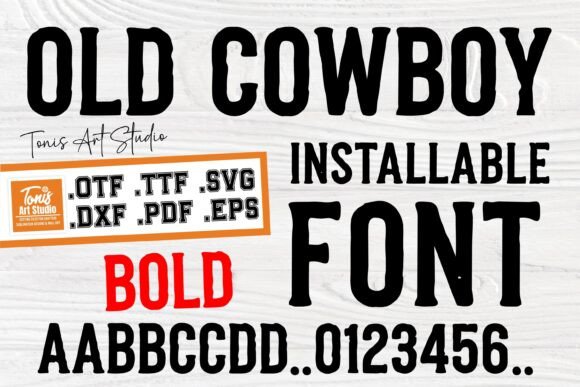
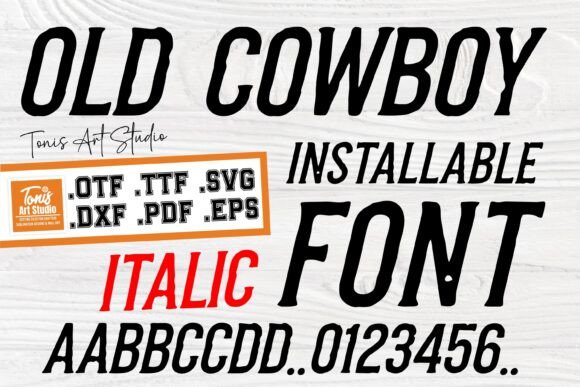
When I first opened the file for Old Cowboy Italic, I didn't just see a font; I saw a story waiting to be stitched. As someone who has spent years turning digital files into tangible, tactile products for clients and craft fairs, my initial reaction is always practical: can this actually hold up on fabric? Does it capture the mood without losing legibility under a needle? This Display typeface offers a riveting blend of rustic charm and contemporary sophistication that feels right at home in a modern boutique or a cozy farmhouse kitchen.
The design imprints a stylized, italicized twist on traditional Western themes. It isn't a stiff, blocky cowboy font you might find in generic clipart libraries. Instead, it leans into a flowing, hand-written aesthetic that suggests movement and personality. For an embroidery designer, that distinction is everything. When you are working with satin stitch or fill stitch, the difference between a rigid geometric shape and a fluid, organic curve determines how the thread lays down on the fabric. Old Cowboy Italic feels like it was written by a quill, which translates surprisingly well into machine embroidery if the density is managed correctly.
From Digital File to Finished Product: A Real-World Scenario
Let's imagine a specific project to see how this font performs in the real world. I recently received a commission from a small business owner who wanted to create a line of custom aprons for a local coffee roaster. They needed something that felt artisanal but not cluttered. The client specifically asked for a font that screamed "Western heritage" but looked clean enough for a modern café setting.
I pulled up Old Cowboy Italic immediately. The first thing I noticed was the negative space within the letters. In many Western fonts, the curves are too tight, leading to thread bunching when stitched. However, this design leaves enough room for the thread to breathe. I decided to test it on a heavy-duty cotton canvas for the apron front. Using a deep navy thread against the natural beige fabric, the contrast was striking. The italic slant gave the logo a sense of forward momentum, making the brand name feel dynamic rather than static.
The result wasn't just a label; it became a focal point. Customers walking past the counter stopped to read the text because the style felt authentic. It bridged the gap between a rugged cowboy vibe and high-end craftsmanship. If you are an Etsy seller or a handmade shop owner looking to elevate your product value, fonts like Old Cowboy Italic do more than just spell words—they set the tone for the entire brand experience.
Where This Design Shines Best
This Fonts category entry is versatile, but it truly excels in specific contexts where storytelling matters. Because it carries such a strong visual personality, it pairs perfectly with projects that need a touch of nostalgia or warmth.
- Custom Apparel: On sweatshirts or t-shirts, the italic style adds a casual, relaxed feel that works well for graphic tees. It looks great centered on the chest or running across the back of a hoodie.
- Baby Items: There is a unique charm to seeing a rugged Western font used on baby clothes or nursery decor. Old Cowboy Italic softens the harshness often associated with cowboy themes, making it perfect for personalized onesies or crib banners.
- Home Goods: Think about embroidered patches for denim jackets, tea towels for a country-style kitchen, or pillow covers for a lodge-themed bedroom. The font's flow complements the textures of linen and wool beautifully.
- Holiday Gifts: During the winter season, this design fits perfectly with holiday embroidery projects. Imagine a monogrammed stocking or a gift tag for a rancher-themed present. The rustic feel aligns naturally with autumn and winter aesthetics.
For commercial embroidery projects, this design asset allows you to offer personalized products that feel bespoke. Whether you are creating a tote bag design for a farmer's market vendor or branding a set of kitchen towels for a boutique, Old Cowboy Italic provides a professional look that customers trust.
Practical Challenges and Where to Be Careful
However, every experienced designer knows that beauty on a screen doesn't always translate perfectly to a hoop. While Old Cowboy Italic is robust, there are situations where you need to exercise caution. The italic nature of the font means the letters lean, which can sometimes cause alignment issues on curved surfaces like caps or hats.
If you are working with small hoop sizes, you must scrutinize the letter spacing. Tight kerning combined with a dense stitch count can lead to pucker marks on thin fabric or textured fabrics. When stitching on stretchy materials like jersey knit, the tension of the satin stitch might distort the slanted lines, so a stabilizer choice becomes critical. You should avoid using this for tiny lettering on items that require frequent washing, as the fine details of the swashes might wear down over time.
Additionally, dark fabrics require careful consideration regarding thread colors. If the background is black or dark charcoal, a light thread color is essential to maintain the visibility of the delicate curves. Conversely, on light fabrics, a darker thread will pop, but you must ensure the stitch density is sufficient to prevent the fabric showing through the gaps in the design.
Designer Notes for Success
Before you commit this design to a final product, here are some practical steps to ensure your finished product meets professional standards. First, always test the design on scrap fabric that matches the texture and weight of your intended material. This helps you visualize how the thread colors interact with the weave of the cloth.
Check your thread color contrast thoroughly. Sometimes a design looks good in grayscale mockups but loses its impact in full color. Review the stitch density settings in your software; if the design is too dense, it will feel stiff and unyielding. If it is too sparse, the letters may lack definition. Confirm your hoop size early on to ensure the entire word fits without awkward breaks.
Inspect the small details closely. Are the tails of the letters sharp enough, or do they blur together? Use proper stabilizer to support the fabric during stitching, especially if you are working with delicate materials. If you plan to sell these items commercially, double-check your licensing agreement to confirm whether you have the rights to use the design on physical goods or if restrictions apply to digital product previews.
Finally, compare your work on both light and dark backgrounds before sending it to production. A printable mockup can help you visualize the end result, but nothing beats seeing the actual embroidery file run through the machine. By paying attention to these nuances, you ensure that Old Cowboy Italic delivers the rustic sophistication it promises, turning a simple font into a standout feature of your handmade product.
Whether you are a hobbyist making gifts for family or a creative entrepreneur building a brand, Old Cowboy Italic offers a compelling option for your next embroidery project. It strikes a balance between tradition and modernity that resonates with today's buyers. With careful planning and the right execution, this design can elevate your craft business and help you create items that people want to keep forever.